Caloric maintenance is an important factor for energy, fitness, and health. A 2400-calorie bulking diet supports muscle gain, active-lifestyle conditions, and recovery in cases where higher physical demands are placed on an individual. It ensures that your body receives enough fuel to repair tissues, build lean muscle mass, and sustain energy throughout the day. Here is a balanced and practical Indian diet plan keeping within this calorie limit, especially for vegetarians, and also with non-vegetarian alternatives to play around with. This plan includes wholesome, nutrient-dense foods that are easy to find and prepare, making it sustainable for long-term health goals.
Early Morning: 6:30 – 7:00 AM
Light, nourishing foods are the best way to jump-start your metabolism:
- 5-6 soaked almonds
- 1 glass of warm lemon water
Optional: Herbal tea or plain green tea for detoxifying and hydrating the body again.
Breakfast: 8:00 – 9:00 AM
A very wholesome, high-fiber meal to energize you for your day:
- 1 bowl vegetable upma or poha with peanuts
- 1 glass low-fat milk or curd
- 1 fruit – apple or banana
Tip: Poha with veggies and peanuts is a good combination of carbs, protein, and good fats.
Mid-Morning Snack: 11:00 AM
Light but moderately nourishing to keep energy levels stable:
- 1 bowl of fruit salad or boiled sweet potato
- Buttermilk or coconut water
Hydration and vitamin-rich options help maintain energy and aid digestion.
Lunch: 1:00 – 2:00 PM
Main meal of the day with all macronutrients:
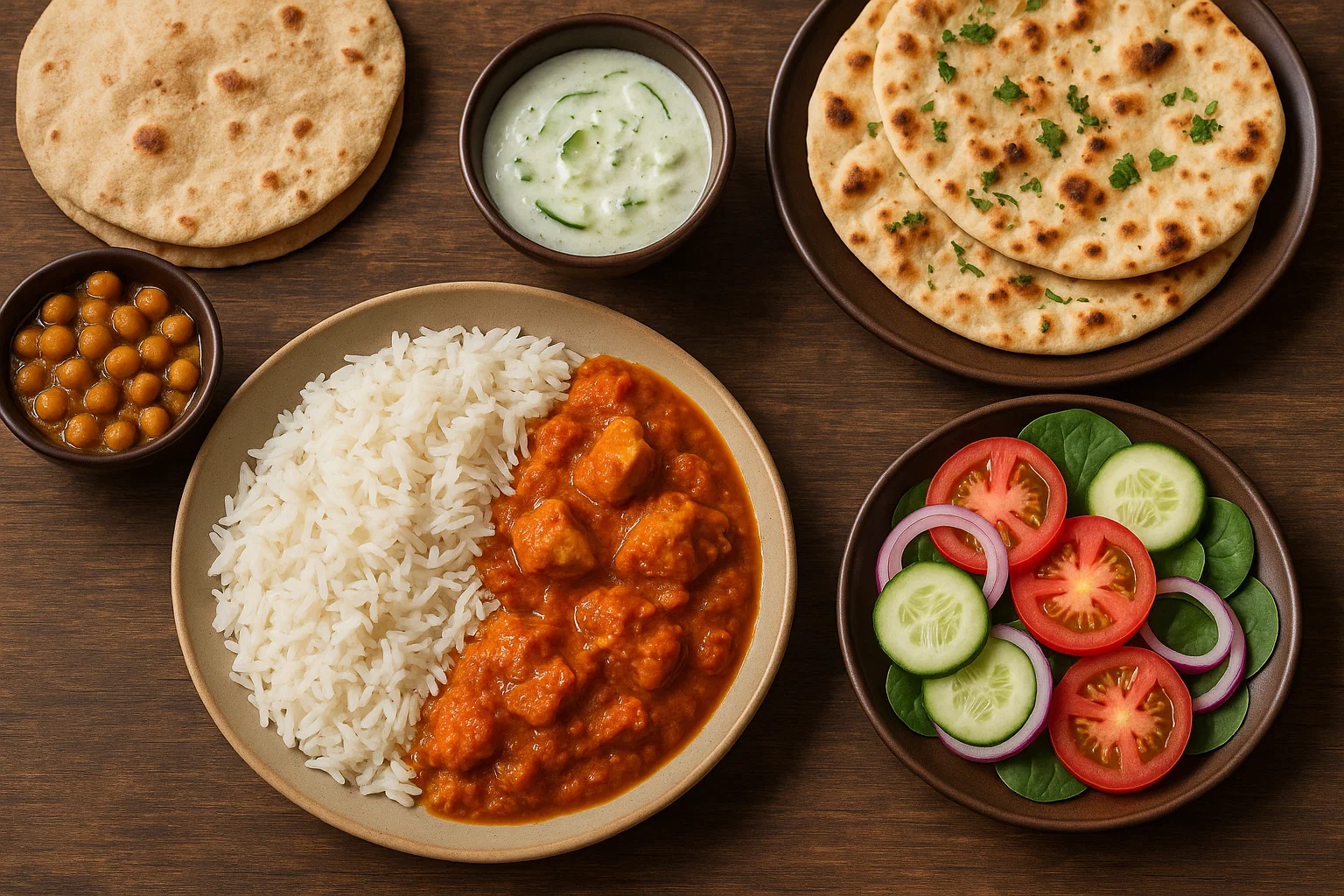
- Brown rice (1 cup) or 2 multigrain rotis
- Dal or rajma (1 bowl)
- Mixed vegetable sabzi (1 bowl)
- Curd (1 bowl)
- Raw salad (carrot, tomato, cucumber)
Note: Note: Dal + rice or rajma + roti gives a complete combination of vegetarian protein.
Evening Snack: 4:30 – 5:30 PM
This is good for dousing the pre-dinner hunger pangs without taking on the empty calories:
- Roasted chana or sprouts chaat
- Green tea or herbal drink
- A fiber- and protein-rich snack that is beneficial for digestion and filling
Dinner: 7:30 – 8:30 PM
Lighter version of lunch, which would be relatively simple for the metabolism to digest:
- 2 rotis or 1 bowl of millet khichdi
- Paneer curry or tofu curry
- Stir-fried greens
- Salad
Note: At night, avoid heavy dals or very spicy gravies for better sleep and digestion.
Post-Dinner (Optional)
If you’re still a bit hungry or need to meet your protein goals for the day:
- 1 glass of warm turmeric milk
- Or just 1 fruit, either papaya or a few slices of melon
Tip: This light option supports digestion and can help promote restful sleep.
Alternate Options for Each Meal:
Turn meals with regional foods so you don’t get bored with food:
Breakfast:
- Idli + sambar
- Paratha + curd
- Moong dal chilla
- Besan toast
Lunch/Dinner:
- Vegetable biryani
- Khichdi
- Bhindi roti combo
- Kadhi chawal
Snacks:
- Makhana
- Murmura mix
- Fruit smoothie (no added sugar)
Include some more millet varieties such as ragi, jowar, and bajra for extra fiber and micronutrient diversity.
Diet Plan for 2400 Calories (Non-Vegetarian Version)
An extra addition of animal protein gives value in terms of muscle building and satiation. Here are the best swaps:
Breakfast:
- Boiled eggs
- Omelette with multigrain toast
Lunch/Dinner:
Substitute dal with grilled chicken curry, or egg curry, or fish (grilled or lightly sauteed, preferably).
Snacks:
- Boiled eggs
- Chicken salad
- Tuna with crackers
Always use lean meat, which is cooked using little oil and in limited amounts.
Supplements (If Recommended)
A healthy diet can address most of the nutritional needs. Nevertheless, some people might need supplementation:
- Multivitamins: Necessary for the overall balance of nutrients
- Protein powders: A must-have for vegetarians or those with fitness goals.
- Omega-3 fatty acids: Important for heart health, flexible joints, and brain health
It is always good to seek the advice of a qualified dietitian and nutritionist before starting supplements.
Common Mistakes to Avoid
Even a good diet can misguide. Be cautious about the following:
- Too healthy: Healthy foods are good, but when consumed in large amounts, they may contribute to weight gain. Moderation is crucial.
- Reliance on fried or processed snacks: These snacks are usually empty calories with minimal or no nutritional content, despite being convenient.
- Skipping meals and bingeing later: Skipping meals can slow down metabolism and often causes overeating or unhealthy food choices later in the day.
- Sugary drinks or juices: These beverages provide quick calories without meaningful nutrients, causing blood sugar spikes and feelings of fullness.
Who Should Follow the 2400-Calorie Plan?
Normally, it is designed for the following groups:
- Active individuals and fitness lovers
- Underweight individuals who want to gain some healthy weight
- Manual laborers or individuals doing vigorous work
This plan is not for a sedentary lifestyle without expert guidance because excess calories might lead to being overweight with related health issues.
Wrapping Up: A Wholesome Indian Diet That Fuels You Right
This 2400-calorie Indian diet plan can be easily achieved using seasonal foods and regional cuisines. Eating mindfully with variety, balance, and portion control, whether vegetarian or non-vegetarian, is the key. Pair this diet with regular physical activity and good hydration for the best results. If you are looking for education-based personalized meal planning, Qua Nutrition is among India’s top nutrition clinics that offer customized diet consultations by world-class dietitians in India. Whether you’re an athlete, working professional, or have specific health goals, Qua guides you toward becoming your best nutritional self.
FAQs
Q: Who Should Follow A 2400-Calorie Diet?
A: Active individuals, fitness enthusiasts, manual laborers, or those aiming for healthy weight gain benefit most from this plan.
Q: What Does A Balanced 2400-Calorie Indian Meal Look Like?
A: A meal plan that consists of whole grains, lean proteins (dal, paneer, eggs, chicken), healthy fats (nuts, seeds), and fiber-rich vegetables across all meals.
Q: Can Vegetarians Meet Protein Needs On This Plan?
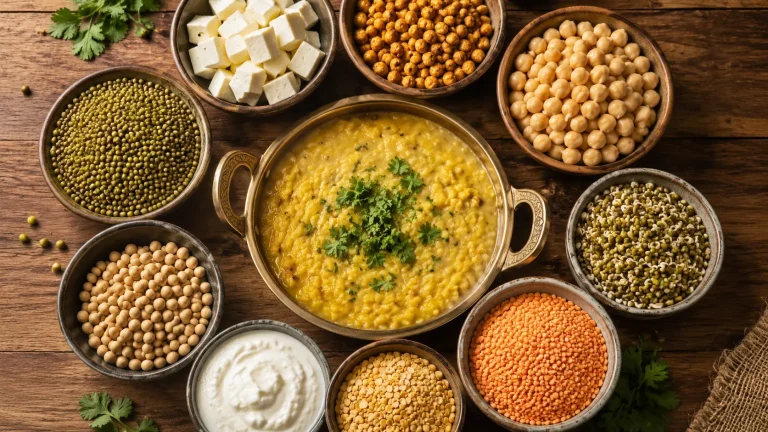
A: Yes. Paneer, tofu, dals, sprouts, and curd offer complete protein when paired smartly—like dal with rice or rajma with roti.
Q: What Are Common Mistakes To Avoid?
A: Overeating “healthy” foods, skipping meals, relying on fried snacks, and consuming sugary drinks can derail progress.
Q: Are Supplements Necessary On A 2400-Calorie Diet?
A: Not always. But multivitamins, protein powders, and omega-3s may help if dietary gaps exist—consult a nutritionist before starting.