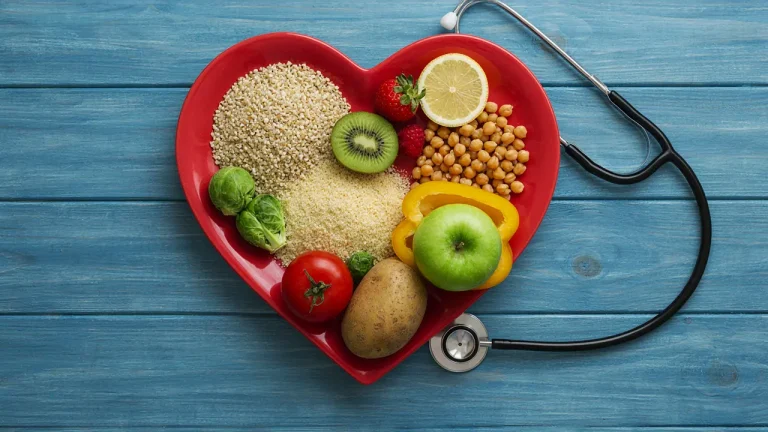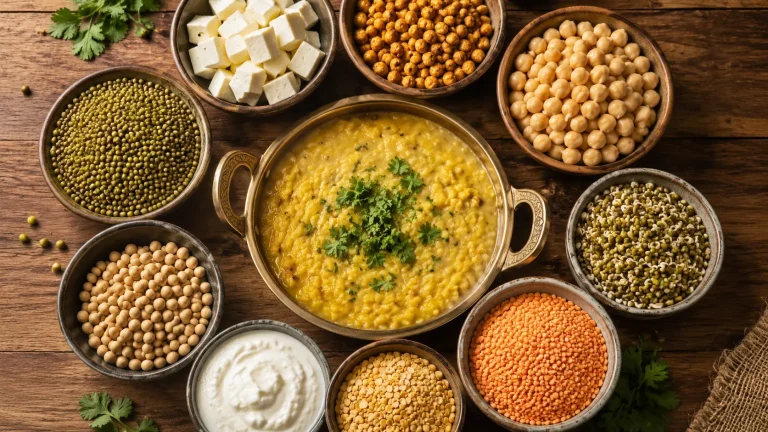

Joint pain is something that is a common complaint affecting people of all ages and genders, but studies demonstrate that dietary habits can play a powerful role in managing symptoms, slowing progression, and improving overall joint health. Including the right nutrients and foods in daily meals not only helps alleviate discomfort but also supports long-term mobility and function.
As per scientific research, certain foods have had positive effects in reducing joint pain and inflammation, particularly when they are combined with healthier lifestyle choices and strategies to manage weight.
The Link Between Diet And Joint Health
Our joint health in many ways is constantly influenced by our nutrition. Anti-inflammatory foods reduce chronic inflammation in the body, which is a major contributor to joint pain in conditions like arthritis. Antioxidants neutralise free radicals that damage joint cells, while nutrients like calcium, magnesium, and vitamin D strengthen bones and cartilage. It is essential to maintain a healthy weight, which can be achieved with exercise as well as through mindful eating. Excess body weight can place more stress on joints like knees, which bear our body weight.
Foods That Help To Reduce Joint Pain
Here’s a breakdown of foods that have been shown to help reduce joint pain and inflammation
1. Fatty Fishes
Fishes that are usually found in cold water like Salmon, Mackerel, Sardines and Tuna are known to be rich in fatty acids like omega-3. With inflammation-reducing properties, inclusion of these fishes in your diet, at least once a week, can help your health overall. If consuming these fishes is not a viable option, then consider taking omega-3 supplements from trusted brands.
2. Green and leafy vegetables
Green and leafy vegetables like Spinach, Kale, Collard Greens, and Broccoli offer a substantial amount of Vitamins like A, C, K, and magnesium. These nutrients are all critical for bone strength and fighting inflammation. Cruciferous vegetables like Bok Choy, Brussel Sprouts also help in blocking enzymes that trigger inflammation in joints.
3. Seeds and Nuts
Walnuts, Almonds, Pine Nuts, Flaxseeds, and Chia Seeds are filled with fiber and healthy fats, minerals and also support the reduction of inflammation in our body. Having at least a handful of these can help in overall joint and cardiovascular health.
4. Fruits and Berries
Blueberries, cherries, strawberries, oranges, and apples provide antioxidants and vitamin C, which promote collagen formation and shield joints from oxidative damage. Anthocyanins found in berries are especially beneficial and effective in turning down the body’s inflammatory response.
5. Milk-based fermented foods
Plain yogurt made from milk is popular and widely eaten in many cultures and is linked to reduced inflammation throughout the body. Products like these help in maintaining a healthy gut, as it is a probiotic-rich foods with active cultures.
6. Ginger and Turmeric
Age-old remedies like turmeric contain curcumin, a potent anti-inflammatory compound that can help manage symptoms of arthritis. Ginger contains gingerols and shogaols, which also block inflammatory pathways. These are regular kitchen finds, without which any Indian kitchen would be incomplete.
7. Olive Oil
Extra virgin olive oil is an excellent source of healthy unsaturated fats and polyphenols with anti-inflammatory effects. Replace vegetable oils with olive oil for salad dressing and cooking.
8. Beans and Lentils
Pinto beans, black beans, soybeans, and lentils are some of the foods that are packed with fiber, minerals, and anthocyanins, all of which can combat inflammation and help connective tissue.
9. Whole Grains
Unrefined grains such as oats, quinoa, and brown rice help counteract the inflammatory response associated with refined grain proteins.
10. Herbs and Spices
Garlic, oregano, and cinnamon are noted for their anti – anti-inflammatory properties and bone – bone-strengthening potential. Add these to meals for flavor and joint support.
11. Bone Broth
The gelatin, amino acids, and minerals in bone broth nourish joint cartilage and can help to reduce pain and inflammation in your body.
Foods To Avoid For Joint Pain
There are certain foods that may increase joint pain in your body by fueling the inflammatory processes. A joint-healthy diet should avoid –
- Refined grains – white bread, white pasta, white rice.
- Processed foods that are high in trans fats and saturated fats.
- Excessive sodium and added sugar intake can both increase inflammation in the body.
- Red and processed meats like beef, pork, lamb, and goat may promote swelling and pain.
- Vegetable oils high in omega-6 like corn oil, sunflower oil, and peanut oil.
- Sweetened beverages and packaged snacks.
Simple Anti – Inflammatory Meal Plan Example
| Meal | Example Menu |
| Breakfast | Overnight oats with chia seeds and berries |
| Snack | Apple slices with walnuts |
| Lunch | Kale salad with chickpeas, tomatoes, avocado, olive oil |
| Snack | Yogurt with cherries or orange |
| Dinner | Grilled salmon or tofu, steamed broccoli, brown rice |
| Snack | Green tea, dark chocolate of 70%+ cocoa |
Meals are flexible; swap ingredients according to taste and dietary restrictions. Aim for diversity across plant-based foods, fish and healthy oils.
Lifestyle Tips To Achieve Healthy Joints
Depending solely on diet won’t solve everything. Consider following few strategies along with proper nutrition and a balanced diet –
- Maintaining a healthy body weight effectively reduces stress on joints.
- Engaging in regular low-impact exercises like swimming, walking, and/or yoga.
- Prioritize sleep and stress management the most; this will lower inflammatory markers.
- Practicing good posture and stretching regularly will help to keep the joints flexible.
When To Consult A Doctor Or Nutritionist?
A common question asked by all is when to go to a doctor regarding joint pains. You should consider consulting a healthcare professional or registered nutritionist for osteoporosis if –
- Joint pain persists for several weeks or worsens all of a sudden.
- If there is redness, swelling, or limited mobility in joints.
- Having existing medical conditions like diabetes and heart disease means a more managed dietary plan.
- You are unsure if symptoms are food-related or suspect nutrient deficiencies.
At Qua Nutrition, you can get personalized diet plans and expert counseling, helping individuals manage their joint pain, support recovery, and optimize nutritional intake for lifelong health.
Foods that reduce joint pain are not only part of an anti-inflammatory strategy but also crucial for total body wellness. Embracing nutrient-dense choices, avoiding pro-inflammatory foods, and pursuing healthy habits create a powerful foundation for joint health. Qua Nutrition helps clients personalize plans to seamlessly incorporate these recommendations. Contact us now and get expert advice on managing joint pain
FAQs
Q: Which vegetables should be consumed that are best for joint pain?
A: Dark leafy greens like kale, spinach, broccoli, cauliflower, and Brussels sprouts reduce inflammation and support bone health overall.
Q: Will supplements help to reduce joint pain?
A: Supplements like omega-3, vitamin D, and home finds like turmeric and ginger can complement food choices, but it’s important to consult a nutritionist before starting to take any supplements.
Q: Are dairy products beneficial or harmful for joint pain?
A: Low-fat dairy products and dairy alternatives with added vitamins and minerals like calcium and vitamin D are vital for joint and bone health, but high-fat and processed dairy must be limited.
Q: How soon can I see the results from dietary changes in my joint pain?
A: Improvements are usually seen in weeks to months, depending on the consistency, severity of pain one feels, and inclusion of other lifestyle changes.
Q: Can joint pain be managed only through diet?
A: Diet plays a major role, but optimal joint health often requires a combination of medical treatment, physical activity, and healthy weight management.
For personalised nutrition plans, consultations, or any further guidance, Qua Nutrition provides expert support tailored to individual needs.