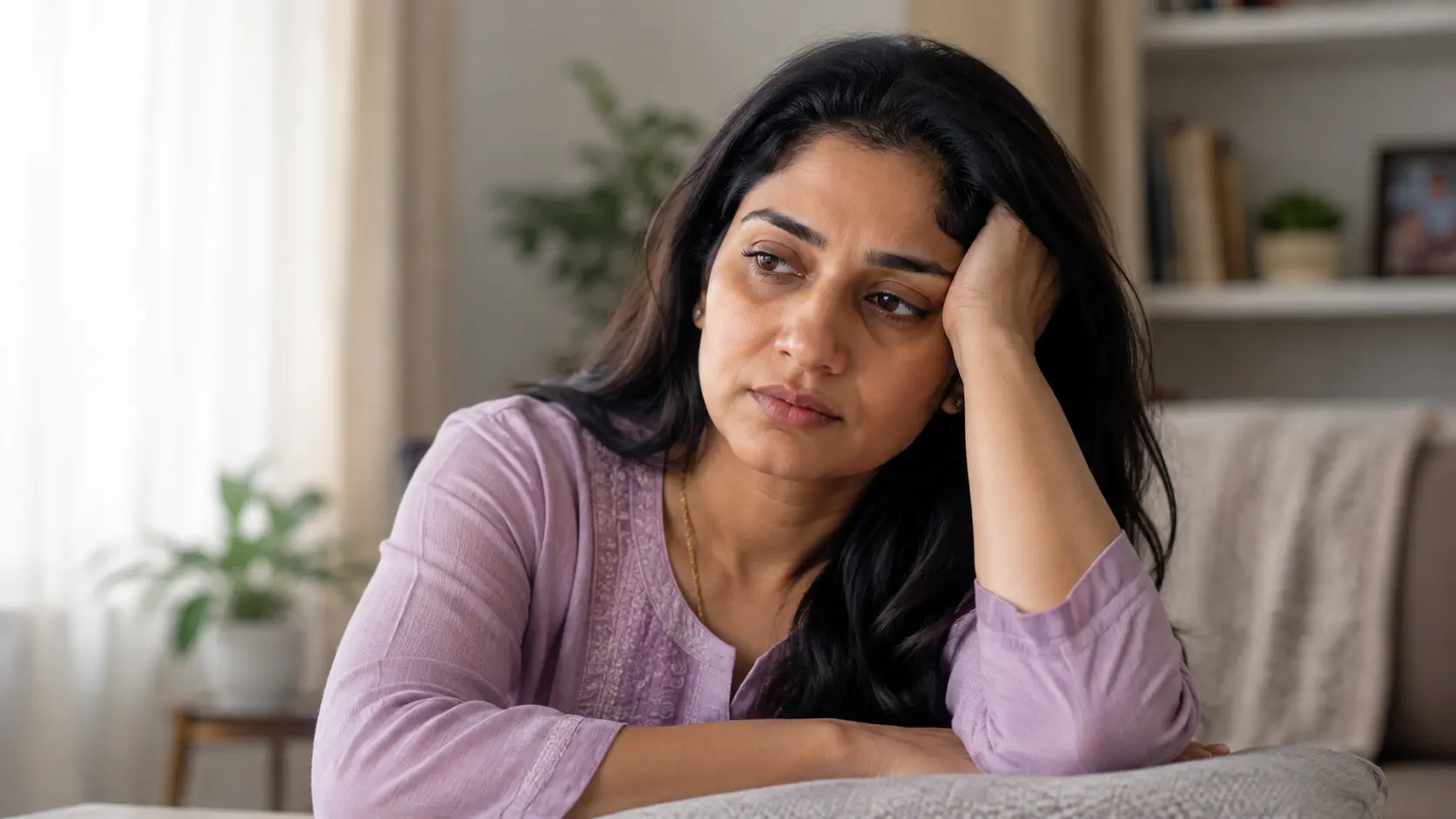
Iron insufficiency is one of the most prevalent dietary problems faced by women, especially during their reproductive years. Iron is necessary for hemoglobin synthesis, oxygen transfer, energy metabolism support, and maintenance of normal physiological activities.
Iron deficiency can happen in women if the body needs more iron than it can get from the food it absorbs. It can be menstrual blood loss, pregnancy, poor consumption of nutrition, limited eating patterns and decreased iron absorption.
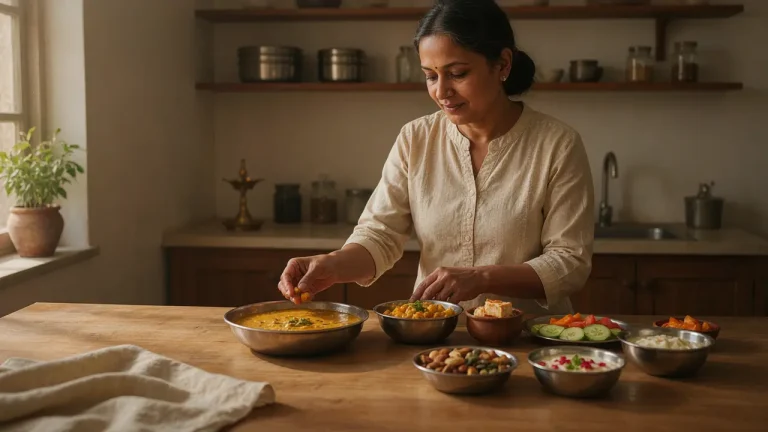
For Indian women, it is not just a matter of adding one “iron-rich” dish to the diet in an effort to improve iron status. A better method is to identify the root cause, choose a variety of iron-rich foods, improve iron absorption, and get proper medical assessment if needed.
Why Is Iron Deficiency So Common Among Indian Women? Understanding the Key Risk Factors
Women of childbearing age need more iron because they lose blood monthly because of menstruation. If you have heavy or long periods, aren’t eating enough dietary iron or eat a lot of non-heme iron from plant sources, the risk can be higher. Another time when iron needs increase is during pregnancy. Iron is essential for maternal blood volume expansion, placental development and foetal growth. Women who conceive with low iron levels may be particularly susceptible to deficiency.
Dietary trends can also impact iron status. Indian diets consist mostly of cereals, pulses, vegetables, nuts and seeds, the sources of non-heme iron. Vegetarian diets can be sufficient in iron, however non-heme iron is often less well absorbed than heme iron found in animal sources.
Thus, the choice of foods, the combinations of meals, the techniques of preparation and the general quality of the diet all contribute to the maintenance of healthy iron levels.
Common Causes of Iron Deficiency in Indian Women: Diet, Blood Loss, and Increased Nutritional Needs
Iron deficiency occurs when iron losses or requirements exceed the quantity of iron absorbed from the diet. There are a number of reasons for this imbalance.
1. Menstrual blood loss: Among women of reproductive age, menstrual blood loss is one of the most major contributors. Heavy or prolonged menstrual flow may increase iron losses and slowly decrease iron reserves.
2. Pregnancy: During pregnancy , the need for iron increases . This is because extra iron is required to produce new maternal and foetal blood .
3. Inadequate dietary intake: This occurs when meals routinely contain little sources of iron, or when restrictive eating patterns exclude critical food groups.
4. Plant based diet: Plant based diets, when they are mainly plant based, are not automatically low in iron, but you have to pay attention to food pairings because the iron from plants is not absorbed as easily.
5. Poor Absorption: Poor absorption can also be a cause of insufficiency. Certain substances in food and drink inhibit the absorption of non-heme iron, whereas vitamin C can help it.
Other causes include blood loss from the gastrointestinal tract, malabsorption issues, recurrent blood loss, or several medical illnesses. These causes should be confirmed by adequate medical evaluation rather than modification of food alone.
Signs and Symptoms of Iron Deficiency Every Indian Woman Should Know
Iron deficiency can develop slowly and early symptoms can be mild. Some women may have symptoms before their iron shortage escalates to anemia.
The common signs and symptoms include:
1. Constant fatigue or low energy
2. Weakness
3. Feeling dizzy
4. Headache.
5. Low concentration.
6. Light skin
7. Shortness of breath, particularly with effort
8. Decreased exercise tolerance
9. Feeling colder than usual
10. Brittle or spoon-shaped nails.
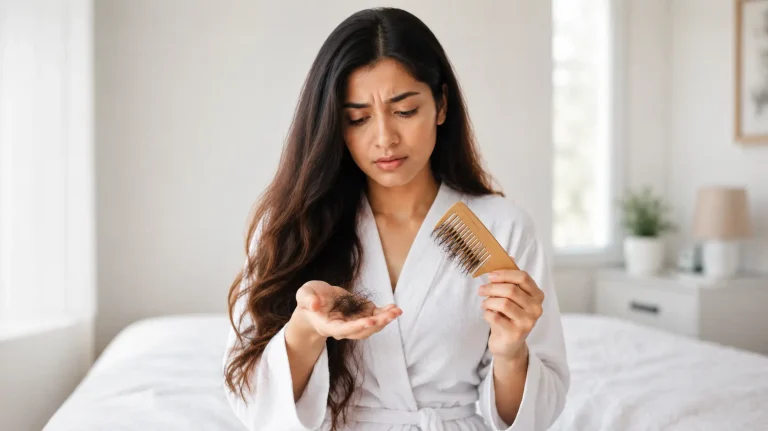
11. Hair loss
12. Unusual appetites, especially for ice or non-food items
However, these symptoms are non-specific for iron insufficiency. There are many other things that can induce fatigue as well, such as not enough sleep, various vitamin deficiencies, thyroid issues, chronic sickness, stress and a number of others.
Thus, persistence of symptoms should not be simply attributed to low iron levels. A proper assessment might help to identify the real cause.
Iron Deficiency, Menstruation, and Pregnancy: Understanding Changing Iron Needs
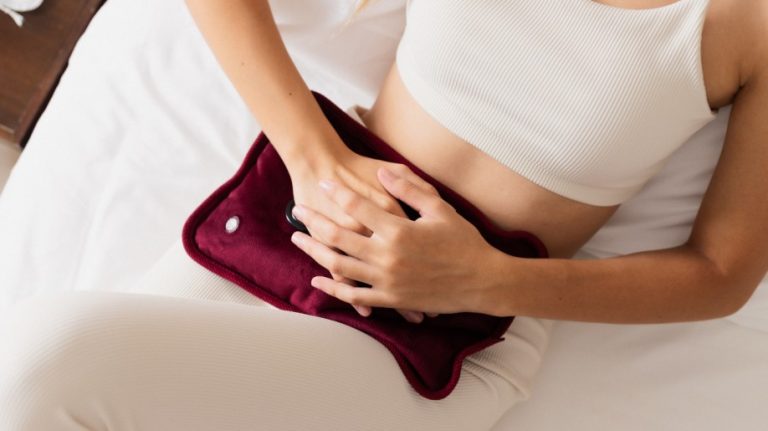
Menstruation is an essential factor in the assessment of iron status in women. Each menstrual cycle leads to some loss of blood and hence some loss of iron.
Women who have heavy or lengthy periods may lose more iron than they can restore with their normal diet. This can lead to depletion of iron reserves over time.
Women should be alert to changes in menstrual bleeding, especially if periods become much heavier, stay longer than normal or are linked with extreme exhaustion, dizziness or weakness.
Pregnancy is another critical time as the need for iron increases dramatically. Iron helps the mother make more blood and helps the baby and placenta grow.
Women who are pregnant, planning pregnancy or have excessive menstrual bleeding should discuss their particular iron requirements and necessary tests with a certified health expert.
Get expert guidance on the perfect diet plan for pregnancy, Qua Nutrition’s specialist nutritionists today.
How Is Anemia Diagnosed in Women? Understanding the Key Blood Tests and Markers
Symptoms alone are not sufficient for the diagnosis of iron insufficiency. Blood tests can be used to see if you have low iron levels and to check for anemia.
Depending on the person’s symptoms and clinical history, the type of tests a healthcare provider may consider can include:
1. Hemoglobin: This is useful to know if you have anemia.
2. Serum Ferritin: Ferritin gives an insight into the stored iron in the body. It is an important marker that is used for the determination of the iron status. However ferritin may be affected by inflammation or infection and data need to be interpreted accordingly.
3. Full blood count: A full blood count is a test that provides information about red blood cells and can help to characterize anemia.
4. Serum Iron and Transferrin-Related Tests: When more information is needed, these tests may provide additional information about iron availability and transit.
The appropriate tests depend on an individual’s symptoms, menstrual history, pregnancy status, nutritional consumption and clinical findings.
Best Iron-Rich Foods for Indian Women: Vegetarian and Non-Vegetarian Options.
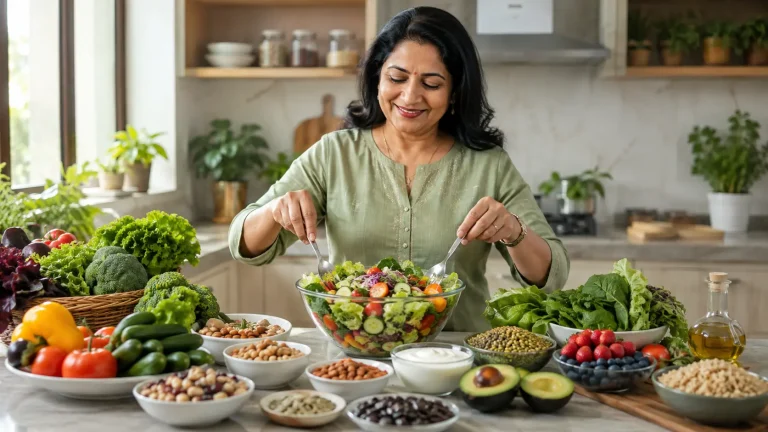
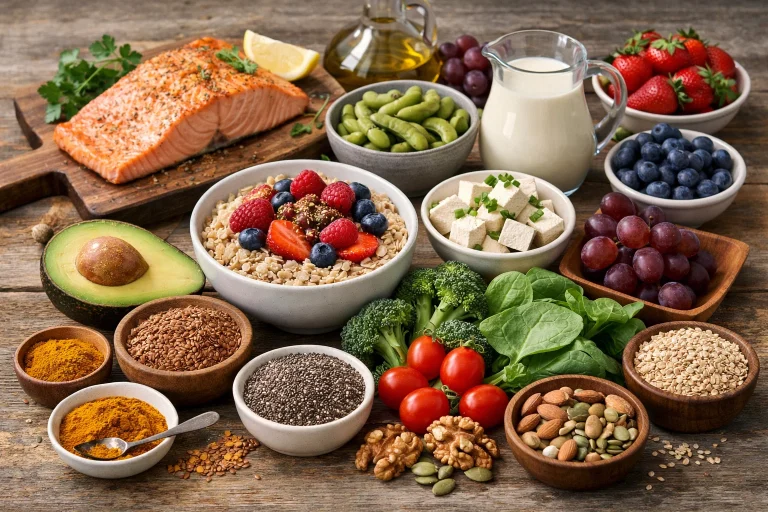
Women can get the nourishment they need by including a range of iron-rich foods in their day-to-day diet. The best selections rely on dietary preferences, Iron bioavailability and overall diet quality.
1. Dals and Lentils
Practical plant sources of iron include Toor dal, masoor dal, moong dal and urad dal. Including different dals in a regular diet can help in improving the dietary iron intake, along with protein and fibre.
2. Rajma and Chikpea
Chickpeas, kala chana and kidney beans are sources of iron and also provide protein and fibre. They can also be added to curries, salads, chaat, soups or Indian traditional meals.
3. Millets
Millets like ragi, bajra, jowar etc. are a good source of iron along with fibre and other minerals. It can be used to prepare rotis, dosas, porridges, idlis and other such familiar preparations.
4. Green Leafy Vegetables
Amaranth leaves, moringa leaves, spinach and other leafy greens also provide folate and other minerals, as well as iron. Adding different types of greens can boost the nutritional quality of your meals.
5. Soy and Foods Based on Soy
Soybeans, tofu and other soy foods are the plant sources of iron and protein. They may be especially helpful for vegetarian women who are trying to enhance their iron and protein intake.
6. Nuts & Seeds
Sesame seeds, pumpkin seeds, peanuts, cashews and other nuts and seeds are good sources of iron in relatively small doses and they also have protein, healthy fats and other minerals.
7. Eggs
Eggs are a good source of high quality protein and several other minerals like iron. Depending on personal dietary choices they may be incorporated into breakfast, lunch, dinner or as a handy snack.
8. Fish & Seafood
Fish and seafood give iron, high quality protein and other vital elements. Indian variants like sardines and other locally available fish can be incorporated in balanced meals.
9. Chickens
Chicken and other birds have iron in the form of heme iron, which is usually better absorbed than the non-heme iron found in plant diets. They can be part of curries, grilled dishes, soups or other balanced meals.
10. Organ Meat: Liver and some other organ meats are very concentrated sources of iron and many other minerals. They should be properly consumed, not as the primary technique for increasing iron intake.
11. Food Fortified with Iron
Iron-fortified cereals, as well as other fortified foods, can enhance dietary iron consumption, particularly when iron-rich foods are not routinely taken.
12. Dried Fruit
Raisins, dried apricots and other dried fruits have less iron, but they make a convenient addition to breakfast, snacks, homemade trail mixes or other meals.
You’re not looking to eat a ‘superfood’, but rather a diverse diet that gives you iron from meal to meal consistently.
How to Improve Iron Absorption: Simple Dietary Strategies to Get More From Your Food
Selecting iron-rich meals is simply one facet of increasing iron status. The whole composition of the meal can also influence the quantity of iron that is absorbed by the body.
1. Pair Iron-Rich diets with Vitamin C: Vitamin C increases absorption of non-heme iron from plant-based diets. There are several practical options available in Indian diets such amla, guava, oranges, lemons, tomatoes, capsicum and other fruits and vegetables.
Examples include serving dal with a tomato based veggie dish, chickpea salad with lemon and fresh vegetables.
2. Timing of Tea and Coffee Matters: Certain compounds found in tea and coffee may prevent the absorption of non-heme iron when taken around meal times. If you’re a woman working to up your iron intake, you might want to consider spacing tea or coffee away from your major iron-rich meals, rather than cutting them out.
3. Food Preparation: Traditional methods of food preparation such as soaking, sprouting, fermenting and cooking can all influence the availability of nutrients and may even help to eliminate certain chemicals that block the absorption of minerals.
4. Eat balanced meals: Don’t just think of iron. Match iron-rich foods with suitable protein, carbohydrates, vegetables, fruit and healthy fats. This pattern can help create a more complete eating pattern that promotes general health.
A Simple One-Day Indian Meal Plan to Increase Daily Iron Intake
1. Breakfast: Vegetable poha with peanuts and vitamin C-rich fruit like guava or orange for carbs, plant-based iron, protein and other nutrients.
Another possibility could be a millet-based dosa or idli with sambar and vegetables and a suitable fruit.
2. Mid-morning snack: A fruit such as guava, amla preparation, orange or any other vitamin C-rich food might be a good addition to the day’s meal.
3. Lunch: A good lunch could be dal or rajma with rice or roti, green vegetables, a mixed vegetable preparation and lemon or another vitamin C-rich food.
Non-vegetarian women can have fish, chicken or lean meat together with vegetables and a good amount of carbohydrates.
4. Evening Snack: Roasted chickpeas, sprouts, almonds, seeds, boiled eggs or fruit can be easy nutrition filled snacks between meals.
5. Dinner: Dinner can be dal, veggies, millet or roti along with eggs, fish, poultry or any other form of protein as desired.
The exact serving sizes should be changed to suit the person’s age, body size, level of physical activity, pregnancy, health problems, food preferences and nutritional needs.
Can Iron Deficiency Be Treated With Diet Alone? Understanding When Food May Not Be Enough
You can fix an iron deficiency with a better diet but that might not be enough for everybody.
If iron deficiency is diagnosed, particularly if there is iron deficiency anemia, healthcare providers may suggest iron supplements along with dietary adjustments. The underlying cause should also be treated.
For example, a woman with severe monthly bleeding may still lose iron even after increasing her diet if the underlying blood loss is not investigated and treated.
Likewise, if your diet contains enough iron but you still have an iron deficit, it may be a sign of absorption problems, continuous blood loss, or some other underlying medical disease. Diet must therefore be seen as an important element of the answer, not a substitute for proper medical care.
How QUA Nutrition Can Help You Manage Iron Deficiency Through Personalised Nutrition
QUA Nutrition helps women improve iron intake and overall diet quality through a personalized nutrition approach. A dietician can review eating patterns and cover any nutritional gaps, factor in individual considerations such as nutritional needs during menstruation or pregnancy, and develop practical Indian meal plans with appropriate vegetarian or non-vegetarian sources of iron.
We’re talking about sustainable food choices, better iron absorption, balanced nutrition, and realistic strategies that fit into our everyday routines.” In cases where blood work or medical concerns point to the need for further evaluation, nutrition counseling can be an adjunct to appropriate medical care.
Struggling to plan the right iron-deficient diet? Consult our specialist for personalized advice.
Conclusion
Iron shortage in Indian women is due to many reasons like loss of blood during menstruation, pregnancy, low consumption of iron in the food and poor absorption of iron.
The good news is that many common Indian dishes contain significant quantities of dietary iron. Individual dietary preferences include dals, legumes, millets, green vegetables, seeds, nuts, eggs, fish, poultry and meat in a balanced iron rich diet.
For plant sources, it is advised to combine iron-rich diets with foods that are high in vitamin C to help increase non-heme iron absorption. Separating tea and coffee from iron-rich meals can also enhance iron absorption .
Most importantly, chronic symptoms should not be dismissed as “low iron.” A proper evaluation can confirm if iron deficiency is indeed present and assist pinpoint why it arose. The right foods, better absorption tactics, proper testing, and professional help when needed, equate to a sustainable approach.
FAQs
Q: What are the symptoms of iron insufficiency in females?
A: Signs include weariness, weakness, dizziness, headaches, poor focus, pale complexion, dyspnoea, impaired exercise tolerance, brittle nails and strange desires.
Q: What Indian food is good for iron deficiency?
A: There is no one best food. Dals, legumes, millets, green vegetables, seeds, nuts, eggs, fish, poultry and meat are sources of dietary iron.
Q: Can drinking tea lead to iron deficiency?
A: Tea itself does not cause iron deficiency, however compounds in tea can inhibit the absorption of non-heme iron when ingested near to iron-rich foods. It helps to separate tea from meals.
Q: What can I take to boost iron absorption naturally?
A: Pair plant-based sources of iron with vitamin C-rich foods such as amla, guava, citrus fruits, tomatoes or capsicum, and do not drink tea or coffee during iron-rich meals.
Q: Should women be tested before taking iron supplements?
A: Iron supplementation should not be taken for granted in self-medication. Treatment is determined by iron status, severity of insufficiency, food intake and aetiology.
Q: When to consult a doctor for possible iron shortage?
A: If tiredness, shortness of breath, light-headedness, heavy periods, strange cravings, or abnormal blood test results persist, see your health care provider.