
For many women, midlife brings a wave of physical changes that feel confusing and frustrating and unexpected weight shifts are often at the top of that list. Understanding what’s actually driving these changes is where any meaningful response has to start. This guide covers why weight fluctuations happen during menopause, how to eat well during this transition, and what practical steps can actually help.
Understanding Menopause and Its Stages
Menopause isn’t a single event ;it’s a gradual process that unfolds over time, typically in three stages:
Perimenopause is the transition that typically begins in a woman’s 40s. At this time, estrogen and progesterone levels begin to fluctuate and then fall and periods may become irregular.
Menopause is officially reached after 12 consecutive months without a menstrual period. The average age is around 51, though this varies from woman to woman.
Postmenopause refers to the years that follow, during which hormone levels remain consistently low.
Why Menopause Causes Weight Gain
Weight changes during midlife rarely come down to one thing. They’re typically the result of several hormonal, physiological, and lifestyle factors working together.
Declining oestrogen and fat storage
As oestrogen drops, the body changes where it stores fat, shifting away from the hips and thighs and moving toward the midsection instead.
Shift toward abdominal (visceral) fat
This redistribution increases the deep belly fat that surrounds internal organs (visceral fat) which carries specific metabolic risks beyond what’s visible on the surface.
Natural slowdown of metabolism
The body simply burns fewer calories at rest as we age. What felt effortless in your 30s takes more conscious effort in your 50s.
Loss of muscle mass
Sarcopenia, the gradual age-related loss of muscle, reduces resting metabolic rate further, because muscle tissue burns significantly more calories than fat.
Sleep disruption, stress, and cortisol
Sleep is interrupted by hot flashes, and midlife pressures can often increase stress. Both increase cortisol which increases cravings and encourages the body to hold on to fat.
Health Risks Linked to Menopausal Weight Gain
Carrying extra weight, particularly around the abdomen, has implications that go beyond appearance.
Increased risk of heart disease and type 2 diabetes
Visceral fat disrupts insulin sensitivity and lipid profiles, raising the risk of both cardiovascular and metabolic conditions.
Impact on joint health and mobility
Additional body weight puts more strain on weight-bearing joints which can limit movement and comfort over time.
Effect on hormonal balance and overall well-being
Visceral fat is associated with chronic inflammation that can exacerbate menopausal symptoms and reduce quality of life, in ways that aren’t necessarily easy to recognize immediately.
What to Eat During Menopause
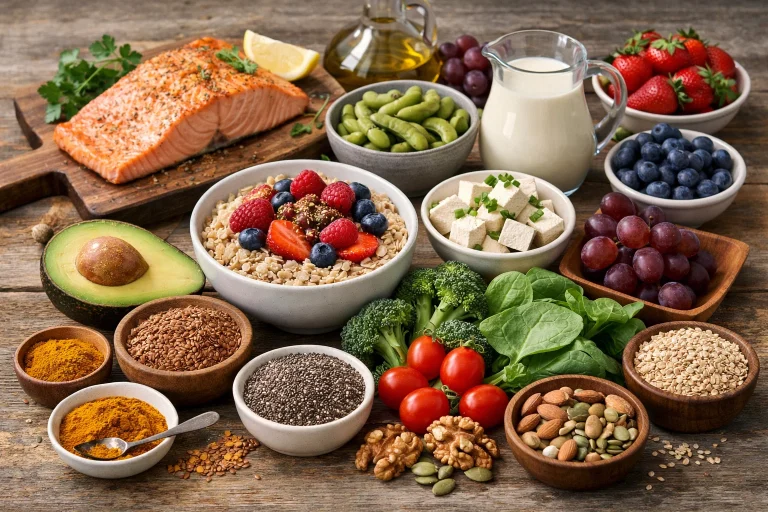
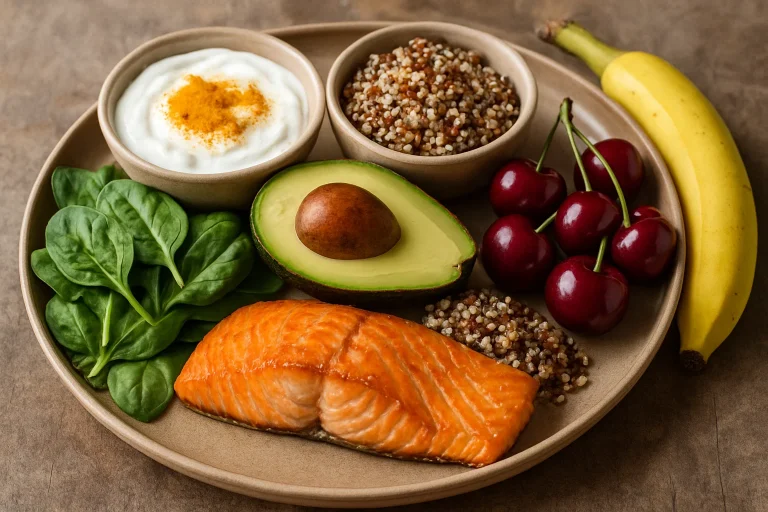
No single food prevents menopausal weight gain, but choosing nutrient-dense foods consistently can support metabolism, preserve muscle, and improve how you feel day to day.
Protein-Rich Foods
High-quality protein such as eggs, legumes, lean meats, and tofu at every meal helps stabilise blood sugar and keep appetite in check. Adequate protein intake also provides the amino acids needed to slow age-related muscle loss and support a healthy metabolic rate.
Fiber-Rich Foods
Oats, quinoa, lentils, leafy greens, and other whole grains and vegetables form the foundation of a well-nourishing plate. Fibre slows digestion, prevents sharp blood sugar spikes, and keeps you fuller for longer, making it considerably easier to manage calorie intake without feeling deprived.
Calcium and Vitamin D Sources
Yogurt, paneer, dairy, and fortified plant milks provide the structural minerals the body needs. Declining oestrogen accelerates bone mineral loss after menopause, making calcium and vitamin D particularly important for maintaining bone strength and reducing osteoporosis risk.
Healthy Fats and Phytoestrogens
Nuts, seeds, olive oil, and fatty fish provide omega-3 fatty acids and monounsaturated fats that support heart health and help manage systemic inflammation. Soy and flaxseed contain plant compounds that mildly mimic oestrogen in the body and may help ease some menopausal symptoms.
Foods to Limit During Menopause
Here are some foods to restrict during the menopause stage.
Refined sugar and processed carbohydrates
Sugary drinks, white bread, pastries and packaged snacks cause rapid swings in blood sugar and help promote visceral fat accumulation.
Excess caffeine and alcohol
Both interfere with sleep quality, can aggravate hot flashes, and add empty calories that work against weight management goals.
High-sodium and highly processed foods
These contribute to water retention, elevated blood pressure, and unnecessary calorie intake without much nutritional return.
Lifestyle Habits That Support Healthy Weight Management
For healthy weight management, it is important to make appropriate lifestyle habits.
Strength training
Working with weights or resistance bands at least twice a week builds metabolically active muscle and protects bone density, both of which make a real difference to how the body manages weight over time.
Prioritising quality sleep
Aiming for 7 to 8 hours of restful sleep each night helps regulate the hunger hormones, which directly affect appetite and food choices the following day.
Managing stress effectively
Non-food stress relief, such as deep breathing, journaling, walking outdoors helps keep cortisol levels from driving cravings and fat retention.
Staying consistently active
Brisk walking, swimming or cycling and moving throughout the day can help metabolic health in ways that structured exercise cannot fully cover.
Sample Menopause-Friendly Meal Ideas
Breakfast: Vegetable besan chilla or oatmeal topped with berries and ground flaxseeds
Lunch: Mixed greens salad with grilled chicken or tofu, quinoa, and a light olive oil dressing
Dinner: Baked fish or paneer tikka with a generous serving of sautéed green vegetables and a small portion of brown rice or millet roti
Snacks: A small handful of almonds, a cup of low-fat yogurt, or sliced apple with cinnamon
Common Myths About Menopause and Weight Gain
Myth: Weight gain during menopause is unavoidable
Hormonal changes do make weight management harder, but healthy habits can significantly reduce how much weight is gained.
Myth: Cutting carbohydrates completely is the best solution
Whole grains and fibre-rich carbohydrates provide sustained energy and important nutrients and cutting them entirely isn’t necessary or particularly helpful.
Myth: Cardio alone is enough
Strength training is equally important as it maintains muscle mass and supports metabolism in ways that cardio doesn’t address on its own.
Myth: Eating less is always better
Very restrictive diets can actually reduce muscle mass and further slow metabolism, the opposite of what you want in this phase of life.
Myth: Menopause means weight loss is impossible
Successful weight management during and after menopause is absolutely achievable with sustainable nutrition, consistent lifestyle habits, and regular activity.
Final Thoughts
Weight gain during menopause is shaped by hormonal changes, ageing, muscle loss, slower metabolism, and lifestyle factors often all working together. But common doesn’t mean inevitable, and it certainly doesn’t mean permanent.
The best way is to develop habits that will stick over time rather than searching for quick fixes or restrictive diets, such as balanced nutrition, regular movement, strength training, good sleep and stress management. Small, steady changes tend to bring about the most lasting results.
At QUA Nutrition, our nutritionists create individual meal plans and evidence-based nutrition strategies designed for every phase of a woman’s life. Whether you’re in perimenopause, menopause, or postmenopause, professional guidance can make the process considerably less overwhelming.
FAQs
Q: Is weight gain during menopause inevitable?
A: No. Things are a little more difficult, due to hormonal changes and a slowing metabolism, but with proactive changes in diet and physical activity, weight gain can be prevented or greatly decreased.
Q: Can hormone therapy help with menopausal weight gain?
A: Menopausal hormone therapy is primarily prescribed for managing symptoms like hot flashes and night sweats, though it may also help reduce visceral fat accumulation for some women. It’s worth discussing the options with your healthcare provider.
Q: Which foods should be avoided the most during menopause?
A: Sugar-sweetened beverages, refined carbs, ultra-processed snacks, excess alcohol, packaged foods high in sodium. These cause inflammation, disrupt sleep and cause visceral fat.
Q: How long does menopausal weight gain typically last?
A: Most of the weight-related changes happen during perimenopause and tend to level off roughly two years after the final menstrual period.
Q: Does exercise alone help without dietary changes?
A: Exercise is important for heart health, muscle maintenance, and metabolic health. To manage weight effectively, you need to combine physical activity with the right kind of calorie-conscious nutrition.